How Jesus Made Wise Decisions: A Gospel-Based Framework
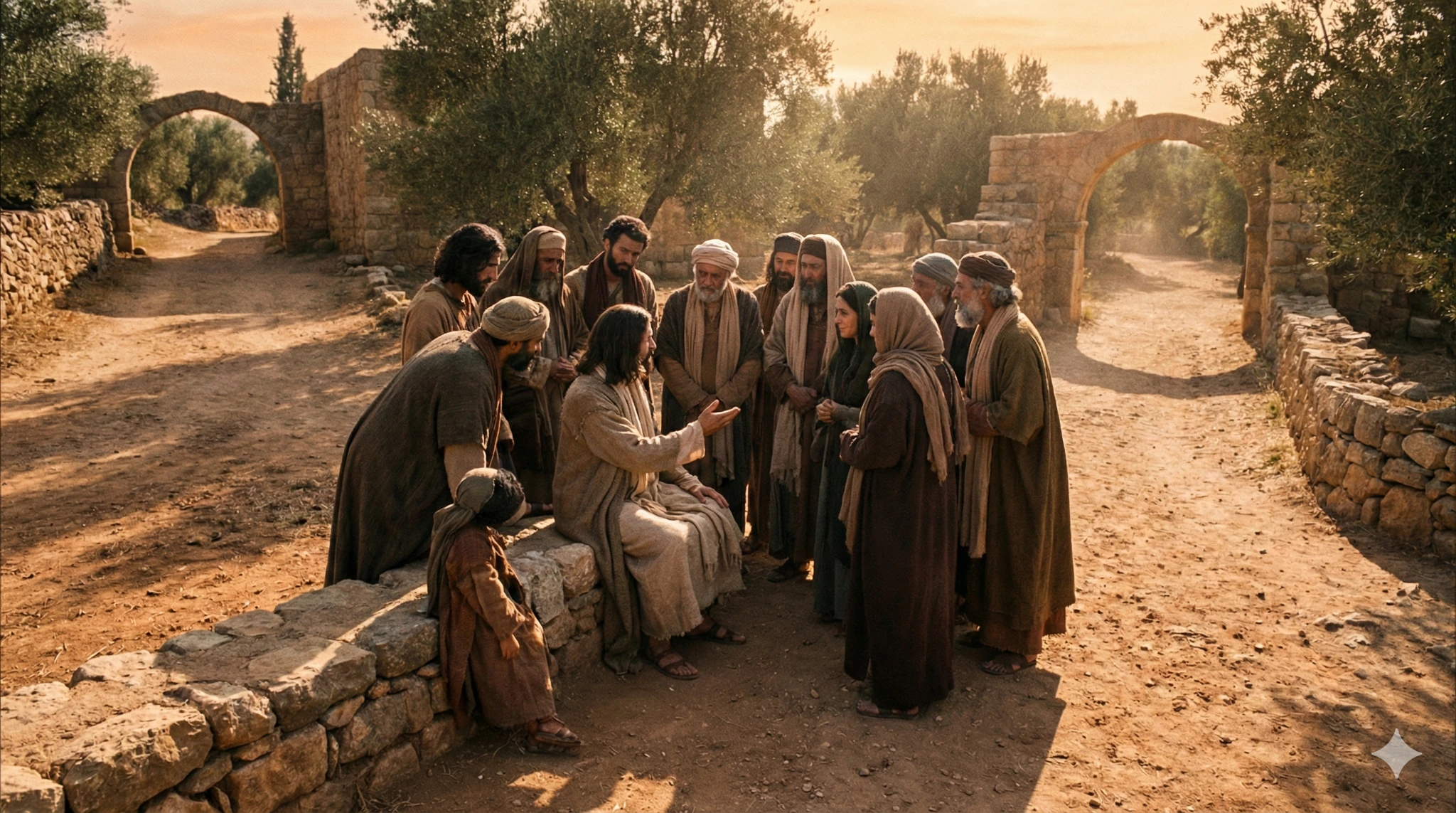
We've all been there—standing at a crossroads, weighing options, wondering which path leads where we're meant to go. The stakes feel high. The answers unclear.
This is where the question 'What Would Jesus Do?' transforms from a bracelet slogan into something far more powerful: a methodology for decision-making grounded in how Jesus actually lived.
But here's what makes this approach different from generic advice: we're not asking what Jesus might do in some hypothetical scenario. We're examining how He actually made decisions—the framework He used, the priorities He held, the process He followed. The Gospels give us a remarkably clear picture of Jesus's decision-making in action.
Let's walk through what that looked like, and then explore how His example might illuminate your own crossroads.
What Biblical Wisdom Actually Looks Like
Jesus's wisdom wasn't academic or theoretical. It was embodied—lived out in real situations with real people facing real problems.
Watch Him with the woman caught in adultery. The Pharisees set a trap, demanding a binary choice: stone her (follow the law) or free her (contradict Moses). Jesus's response? He writes in the dust, then speaks: 'Let him who is without sin cast the first stone.' Wisdom that transcends the either-or, that sees the hearts involved, that serves both justice and mercy.
:::keytakeaway Jesus's wisdom was always relational, situational, and oriented toward eternal purpose—not just technically correct answers. :::
Or consider the rich young ruler. Jesus doesn't give him the standard 'follow these rules' answer. He discerns what's actually blocking this man's heart: 'Sell everything and follow me.' Different person, different barrier, different wisdom.
Three characteristics emerge consistently: Jesus's decisions were grounded in intimate relationship with the Father, marked by discernment of what was really happening beneath the surface, and always focused on eternal purpose over temporary comfort.
Jesus's Decision-Making Framework: Four Key Elements
Looking at the Gospels, we see Jesus consistently employing four practices when facing decisions—from daily choices to His ultimate mission.
Element 1: Solitude and Prayer
Before every major decision, Jesus withdrew. Before choosing the twelve disciples: a night alone on the mountain. Before facing the cross: Gethsemane's agonizing prayer. After feeding the five thousand: He sent everyone away and went up the mountain by Himself.
This wasn't mere ritual. It was creating space to hear the Father's voice above the crowd's demands.
Element 2: Scripture as Foundation
When Satan tempted Jesus in the wilderness, notice His response pattern: 'It is written... It is written... It is written.' Every counter came from Scripture. His teaching constantly referenced the prophets, the Psalms, the Torah. Biblical truth formed the bedrock of His decision-making.
:::tip Jesus didn't just quote Scripture—He understood its deeper purpose and applied it with wisdom. When facing decisions, ask: What does Scripture actually teach about this situation's underlying principles? :::
Element 3: Discernment of the Father's Will
Perhaps Jesus's most distinctive decision-making principle appears in John 5:19: 'The Son can do nothing by himself; he can do only what he sees his Father doing.' This wasn't passive waiting—it was active discernment. What is the Father already doing here? How do I align with that?
This principle freed Jesus from the tyranny of others' expectations. When crowds wanted to make Him king, He withdrew. When brothers pushed Him to reveal Himself publicly, He said 'My time has not yet come.'
Element 4: Courage to Act Counter-Culturally
Jesus's wisdom often led to decisions that shocked His contemporaries. Touching lepers. Eating with tax collectors. Clearing the temple. Welcoming children. Washing feet.
True wisdom sometimes requires courage to do what's right when it's not popular, comfortable, or expected.
From Jesus's Example to Your Decisions
Here's where your peripatetic journey begins—wisdom isn't just studied, it's discovered through walking it out.
Jesus's framework isn't a formula that automatically produces right answers. It's a way of being that shapes how we approach decisions. You can't skip to the answer; you have to walk through the process.
Creating Space for Discernment
Start where Jesus started: create solitude. Not necessarily hours on a mountain, but intentional quiet before major decisions. Turn off the phone. Close the laptop. Let the urgent voices quiet so you can hear what matters.
:::note The goal isn't to hear an audible voice but to create space where your heart can align with God's heart, where Scripture can speak, where wisdom can emerge from beneath the noise. :::
Practical Questions to Ask
As you sit with a decision, explore these questions Jesus's example suggests:
- What does love require here—not just for me, but for everyone involved?
- What serves eternal purpose rather than temporary comfort?
- What aligns with Scripture's deeper principles, not just surface rules?
- What am I seeing the Father already doing in this situation?
The Collaborative Nature of Wisdom
Jesus didn't make decisions in isolation from community. He had the twelve. He consulted with the Father. He engaged with those affected by His choices.
Your wisdom journey needs trusted voices—people who know Scripture, who know you, who can help you test your thinking. Proverbs wasn't wrong: 'In abundance of counselors there is safety.'
When Wisdom Requires Waiting
Perhaps the most challenging aspect of Jesus's example: the wisdom of 'not yet.'
Jesus spent thirty years in preparation before three years of public ministry. Thirty years of carpentry, of growing in wisdom, of waiting for the Father's timing. That ratio should humble us when we're impatient for clarity.
:::warning We often mistake delay for direction. Sometimes 'not yet' isn't 'no'—it's 'grow first.' :::
Throughout the Gospels, Jesus repeatedly says 'My hour has not yet come.' He distinguished between delay and direction. The right thing at the wrong time isn't wisdom.
This means sometimes the wise decision is to... wait. To keep praying. To stay in the tension. To let the situation develop while you continue growing in understanding.
The question isn't always 'What should I do?' Sometimes it's 'Is now the time to do it?'
Conclusion
Jesus's decision-making framework isn't a shortcut to easy answers. It's an invitation to a way of life—one marked by intimacy with the Father, grounded in Scripture, discerning of what really matters, and courageous enough to act when wisdom becomes clear.
The beautiful thing about this framework? You don't have to master it before you start. Like the disciples walking with Jesus, you learn by doing. You create space for prayer. You open Scripture with your questions. You seek wise counsel. You take the next faithful step.
And gradually, decision by decision, you discover something remarkable: wisdom isn't just about making right choices. It's about becoming the kind of person who naturally sees situations the way Jesus did—with love, with purpose, with clarity about what matters.
So wherever you're standing right now, whatever crossroads you're facing: start with solitude. Open Scripture. Ask what love requires. Seek the Father's heart. And then take the next step with courage.
You're not alone in this. You're walking in the footsteps of the One who promised to guide us into all truth.